Shadow work is the practice of getting to know the parts of ourselves we’ve learned to hide, deny or push away. The idea comes from the psychiatrist Carl Jung, who called this hidden material “the shadow.” It’s easier to grasp through real people than through theory, so we will touch on four well-known figures to show how the shadow can look in practice, and how you can begin working with your own.
What is the Shadow Self?
The shadow is everything we’ve pushed out of conscious awareness because, at some point, it didn’t feel safe or acceptable to show. That might be anger, neediness, doubt or vulnerability. It can also be ambition, creativity or assertiveness, which is why the shadow holds hidden strengths as well as difficult material.
Jung believed the shadow never goes away. The aim of shadow work isn’t to eliminate it but to integrate it: to bring it into awareness so we can relate to it, instead of being driven by it without realising. As Jung wrote in, Modern Man in Search of a Soul, “How can I be substantial if I do not cast a shadow? I must have a dark side also If I am to be whole.”
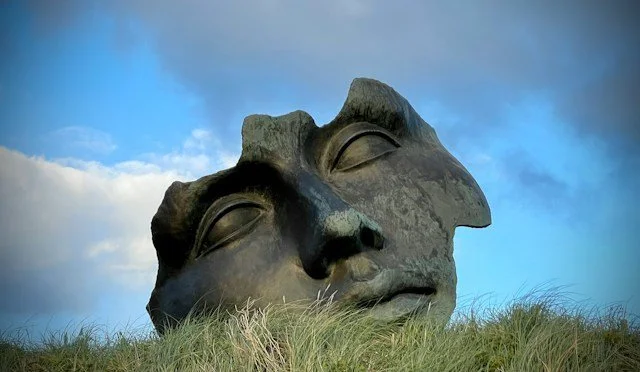
Meeting the hidden parts of yourself with curiosity instead of judgment
How the Shadow Forms
It starts in childhood. When a feeling or trait is met with disapproval, we learn to tuck it out of sight, often so well that we lose track of it ourselves. This is a sensible survival strategy for a child who needs to belong. As adults, it can leave us cut off from parts of ourselves, and those parts tend to surface in triggers, strong judgements and patterns we can’t explain.
Robin Williams: The Man Behind the Laughter – When the Jester Meets the Shadow.
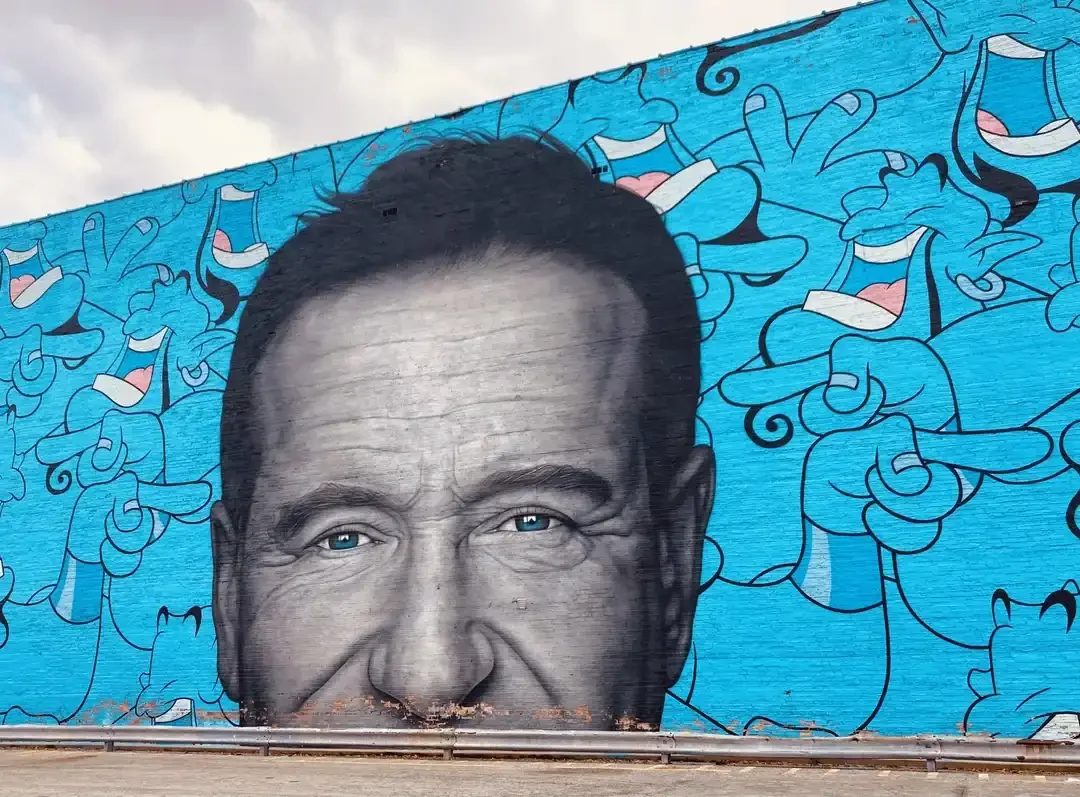
Williams public persona was characterised by extraordinary humour, spontaneity, generosity and infectious energy. Yet behind this brilliant comedic presence was a man who experienced profound personal struggles.
The shadow: What lay behind the laughter?
| Publicly visible quality | Possible shadow counterpart |
|---|---|
| Constant humour | Sadness and emotional vulnerability |
| Boundless energy | Exhaustion and overwhelm |
| Confidence on stage | Self-doubt and insecurity |
| Entertaining others | Difficulty expressing personal needs |
| Quick wit and improvisation | Fear of losing control |
| Generosity and warmth | Difficulty receiving support |
| Being loved by millions | Feeling inadequate despite recognition |

Four dimensions of his shadow
1. The hidden sadness
The man who brought joy to millions also experienced periods of depression and emotional distress.
The shadow question: Could he allow himself to be sad without feeling the need to transform sadness into humour?
2. The entertainer who needed to be loved
Was being funny simply his natural creative expression, or did the need to entertain sometimes become a burden?
The shadow question: Who am I when nobody is laughing?
3. The shadow of excess
Williams experienced significant struggles with alcohol and drug addiction, although he achieved periods of sobriety.
The shadow question: What feelings or experiences am I trying to escape?
4. The fear of losing his identity
Perhaps one of the most poignant aspects of Williams' story was navigating illness and losing his extraordinary mental agility and creativity.
The shadow question: What happens when I can no longer fulfil the role that has defined me?

The vulnerability that led to genius
Williams was able to alchemise his Shadow through various film roles he took which expressed through his ability to give a voice to emotions that are often difficult to articulate such as grief, tenderness, loneliness and woundedness.
Good Will Hunting - The wounded healer. A therapist who helps others confront their pain while carrying his own grief.
Dead Poets Society - The free spirit challenging conformity and encouraging others to discover their authentic voice.
The Fisher King - A deeply wounded man who retreats into an imaginative, almost fantastical world to cope with trauma.
One Hour Photo - A lonely man whose outwardly ordinary existence conceals deep emotional deprivation and disturbing fantasies.
The 2018 documentary, Robin Williams: Come Inside My Mind, captures his life and struggles to integrate the shadow self.

Giving written form to our thoughts can help engage with our subconscious
Shadow Self Journalling
Questions To Explore
What happens when you become over identified with a particular personality or role?
Do you use humour become a way of avoiding difficult emotions?
What parts of yourself do you hide because you believe others expect us to be happy, strong or successful?
Is it possible to be deeply loved by others yet struggle with your own sense of worth?
What happens when the identity you have built your life around begins to disappear?
How might creativity provide an outlet for aspects of your unconscious?
What would it mean to accept your vulnerability rather than constantly trying to overcome it?
How to start working with the shadow self
Notice your triggers. A strong reaction is a clue, not a flaw.
Ask what it points to. What does this person or situation stir up in you?
Look at what you judge and what you admire. Both can reveal disowned qualities.
Write it down. Journaling helps you see patterns over time.
Go gently. The aim is integration, not endless digging.
Get support. Shadow work can bring up painful material, so it’s best done with a guide, and it isn’t a substitute for professional mental health care.
Frequently Asked Questions
-
No. The shadow can hold difficult material like anger, jealousy or shame, but it can also hold creativity, ambition, assertiveness and sensitivity that you were taught to hide. Many people find that shadow work uncovers strengths as well as struggles.
-
Common signs include strong reactions to certain people, repeating patterns you can’t explain, a habit of hiding parts of yourself or people-pleasing, and relying on distractions or numbing to avoid uncomfortable feelings. You don’t need to have a “problem” to benefit. Many people come to it out of curiosity about themselves.
-
Shadow work is a self-reflective practice drawn from Jungian psychology, and it can be done through journaling, workshops, retreats or with a guide. Therapy or counselling is delivered by a practitioner and can address mental health conditions and trauma. They can complement each other.
-
There’s no fixed timeline. Jung saw it as part of a lifelong process of becoming more whole. Many people notice small shifts quickly, such as pausing before reacting, while deeper patterns take longer to change.
Explore shadow work in person
If you’d like to go deeper in a supported setting, our shadow work retreat in the Blue Mountains takes you through the Jungian map of the psyche, from the persona and ego to the anima and animus, and practical ways to begin integrating the shadow.